American vs British Crossword Grids: What Is the Difference?
Why American grids are packed with crossing letters while British grids have more black squares, and how the clue styles differ.
Pick up a crossword in New York and another in London and you may notice they look rather different, even before you read a clue. The two traditions grew from the same starting point, Arthur Wynne's word-cross puzzle of 1913, but took different paths. Here is what sets them apart.
American-style grids
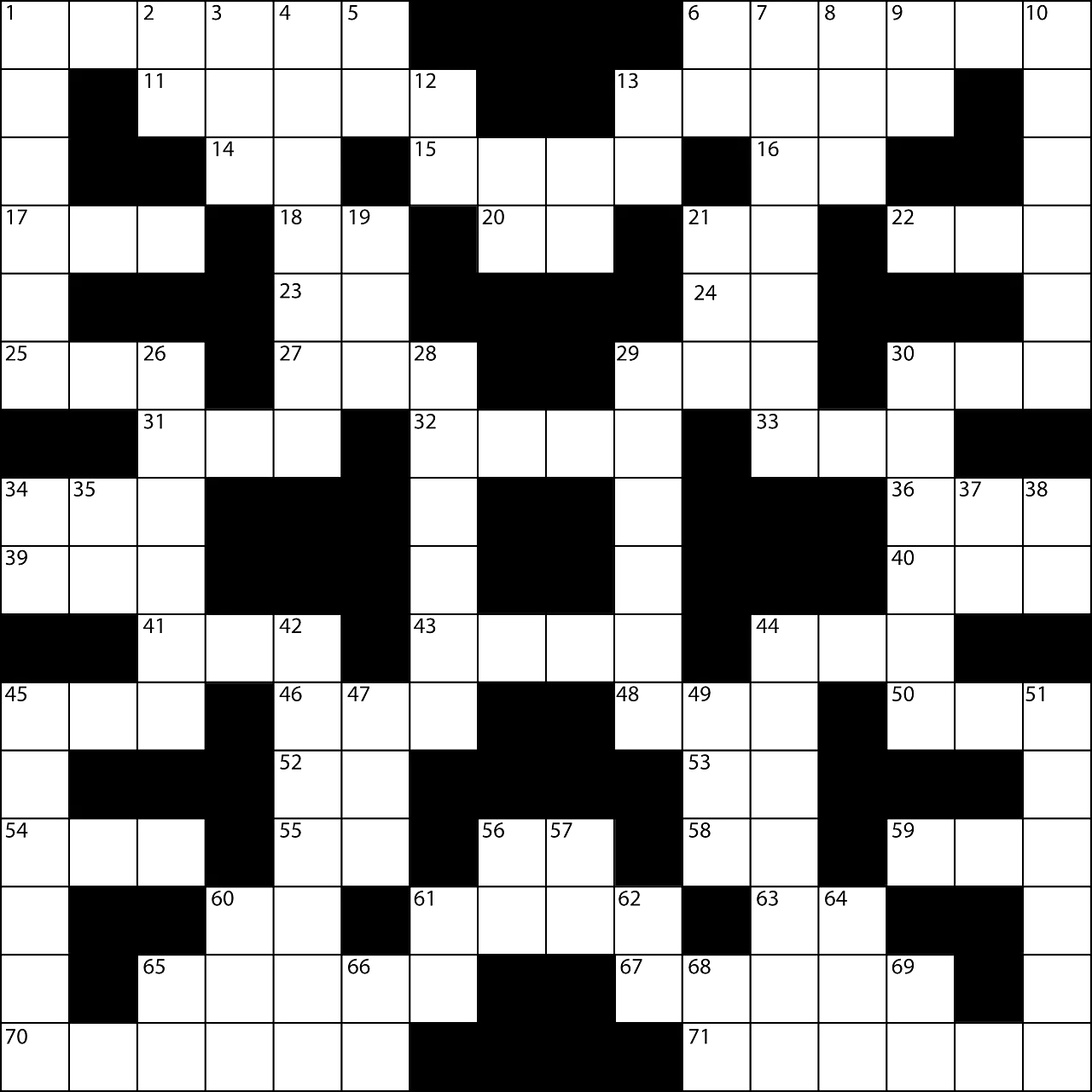
The typical American daily crossword is a 15 x 15 grid with a large Sunday version, often 21 x 21.
- Every letter is checked. Each white square belongs to both an across answer and a down answer. If you are stuck on one word, the crossing words always help.
- Fewer black squares. Grids are densely interlocked, with black squares making up a fairly small share of the grid.
- Rotational symmetry. The pattern looks the same if you turn the grid upside down.
- Minimum word length. Answers are usually at least three letters long.
- Themes. Many puzzles have a theme, often running through the longest answers.
Clues are mostly straightforward definitions, wordplay hints and puns, with puzzles getting harder as the week goes on at some papers.
British-style grids
British blocked grids are also often 15 x 15 with rotational symmetry, but they work differently.
- Not every letter is checked. Many squares belong to only one answer. Typically around half of the letters in each answer are crossed by another word.
- More black squares, creating a more open, lattice-like pattern.
- Longer answers and phrases are common, often spanning the whole grid.
Barred grids, used in some more advanced puzzles, have no black squares at all; thick bars between cells mark where answers end.
Clue styles
The biggest difference for solvers is often the clues. Many British newspapers offer two puzzles:
- Quick or concise crosswords with plain definitions.
- Cryptic crosswords, where each clue combines a definition with wordplay. Because fewer letters are checked, cryptic clues must be fair and precise enough to solve on their own. Our guide to cryptic crosswords for beginners explains how they work.
Cryptic crosswords are popular across the UK, Ireland, Australia, New Zealand, India, South Africa and Canada, while American papers mostly favour non-cryptic puzzles, though cryptics have dedicated fans there too.
Other national styles
Many countries have their own variations. Arrow-word puzzles, popular in Scandinavia and Germany, place the clues inside the grid itself, with arrows pointing to where the answer goes. Italian crosswords often have no symmetry. Japanese and Hebrew crosswords adapt to their writing systems.
Tips for switching styles
- From American to British: do not rely on crossing letters as much. Read each clue more carefully.
- From British to American: expect lots of short words and abbreviations, and use the dense crossings to your advantage.
- Either way: learn the regular words that setters rely on. Our list of common crossword words and clues is a good start.
Whichever style you prefer, the pleasure is the same: the moment a stubborn answer finally drops into place. For a look back at how it all began, read about the history of crossword puzzles.