Puzzles
How to Create Your Own Crossword Puzzle at Home
A step-by-step guide to making your own crossword at home, from choosing a theme to testing it on friends.
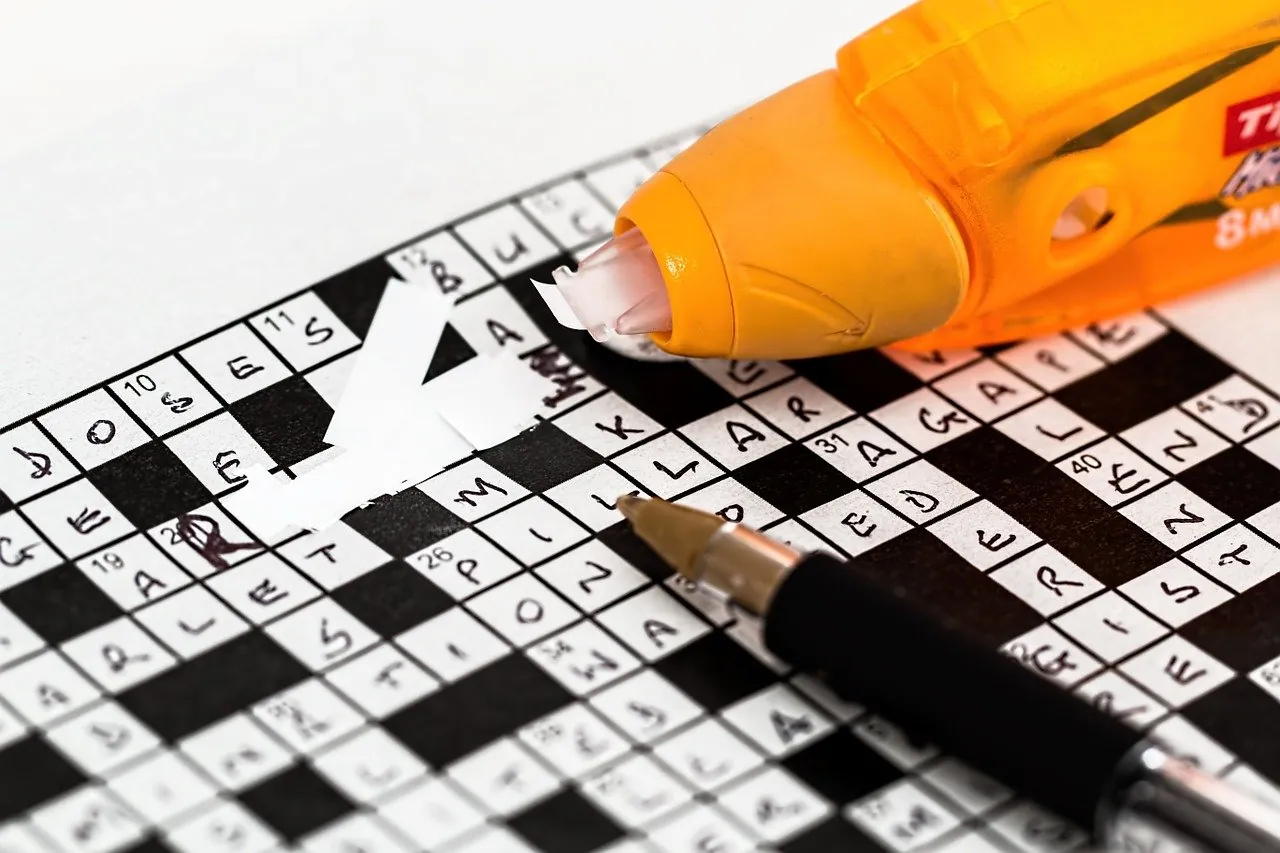
A short guide to the history, styles and pleasures of crossword puzzles, plus sudoku, word games and solving tips.
Are you a lover of cryptic or quick crosswords? Did you know there are many more types of crossword puzzle? Stay with us to find out about the different styles of crosswords and the crossword puzzles benefits that keep so many people coming back.
Do you solve crosswords to relax, to keep your brain busy, to unwind after a stressful day or just for the fun of taking time out for something you enjoy? Whatever your reasons, a cup of your favourite brew and a good puzzle is one of life's simple pleasures, and it costs next to nothing.
Crosswords have had other uses than fun, too. Because they come in so many levels of difficulty, they have been used as tests of mental agility, and during the Second World War, Britain's codebreaking centre at Bletchley Park famously used a timed crossword challenge to help find recruits.
Crossword Puzzles Game is an independent blog about crosswords, word games and number puzzles. Read about their history below, explore sudoku and other puzzle types, or head to the blog for solving tips and guides.
Vocabulary, stress relief, a lift in mood and an active mind: why crosswords are good for you.
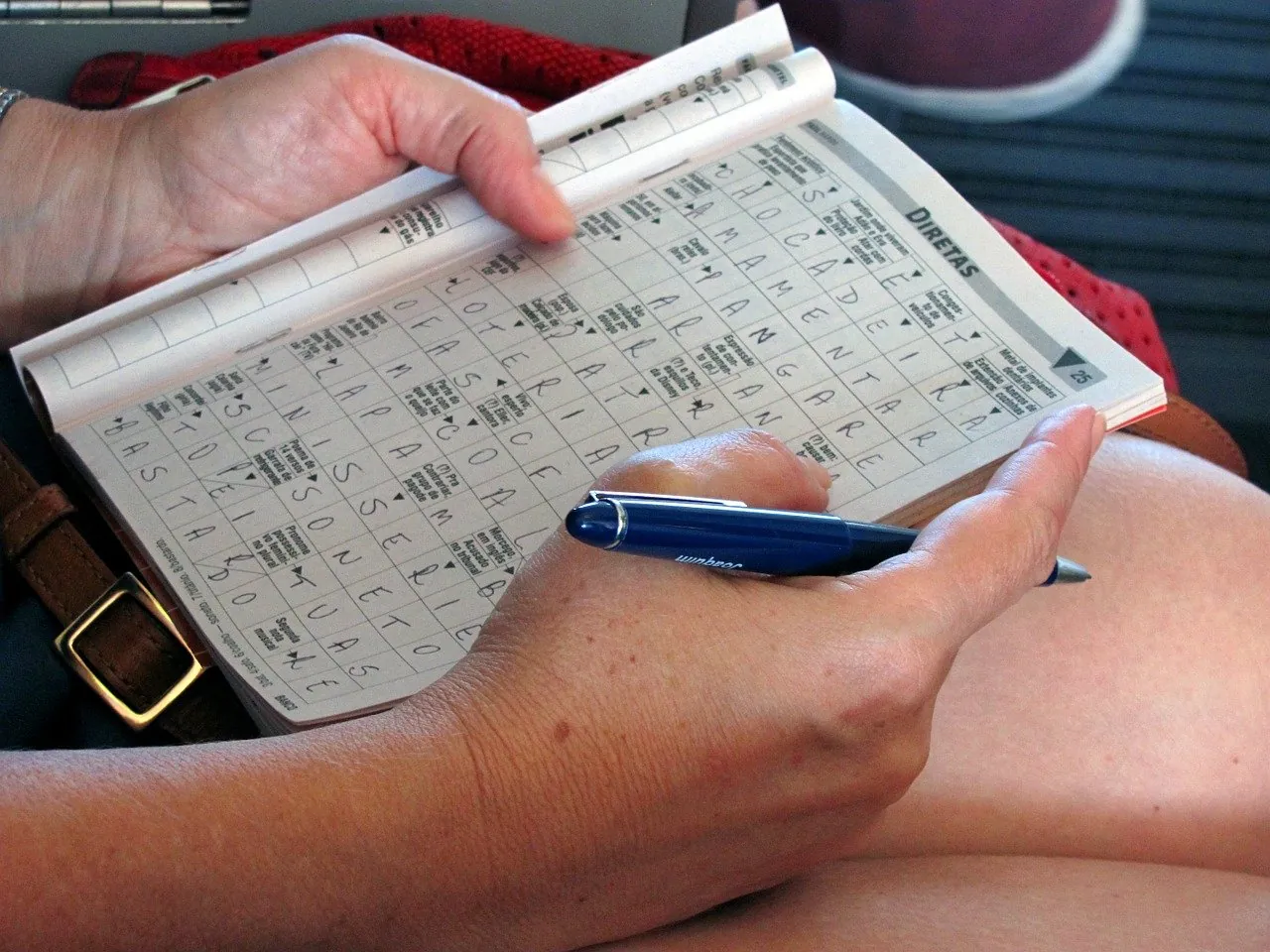
Mini crosswords, word ladders, codewords, KenKen and more: a tour of puzzles beyond the crossword.
A step-by-step guide to making your own crossword at home, from choosing a theme to testing it on friends.
Memory, focus, vocabulary and problem-solving: how crosswords exercise your mind, and what research does and does not show.
Stress relief, a sense of achievement and an active mind: what research suggests about crosswords and wellbeing.
Why American grids are packed with crossing letters while British grids have more black squares, and how the clue styles differ.
KenKen mixes sudoku-style logic with simple sums. How the cages work, and a few strategies for solving.
Every cryptic clue has a definition and a piece of wordplay. Once you see the pattern, the puzzles start to open up.
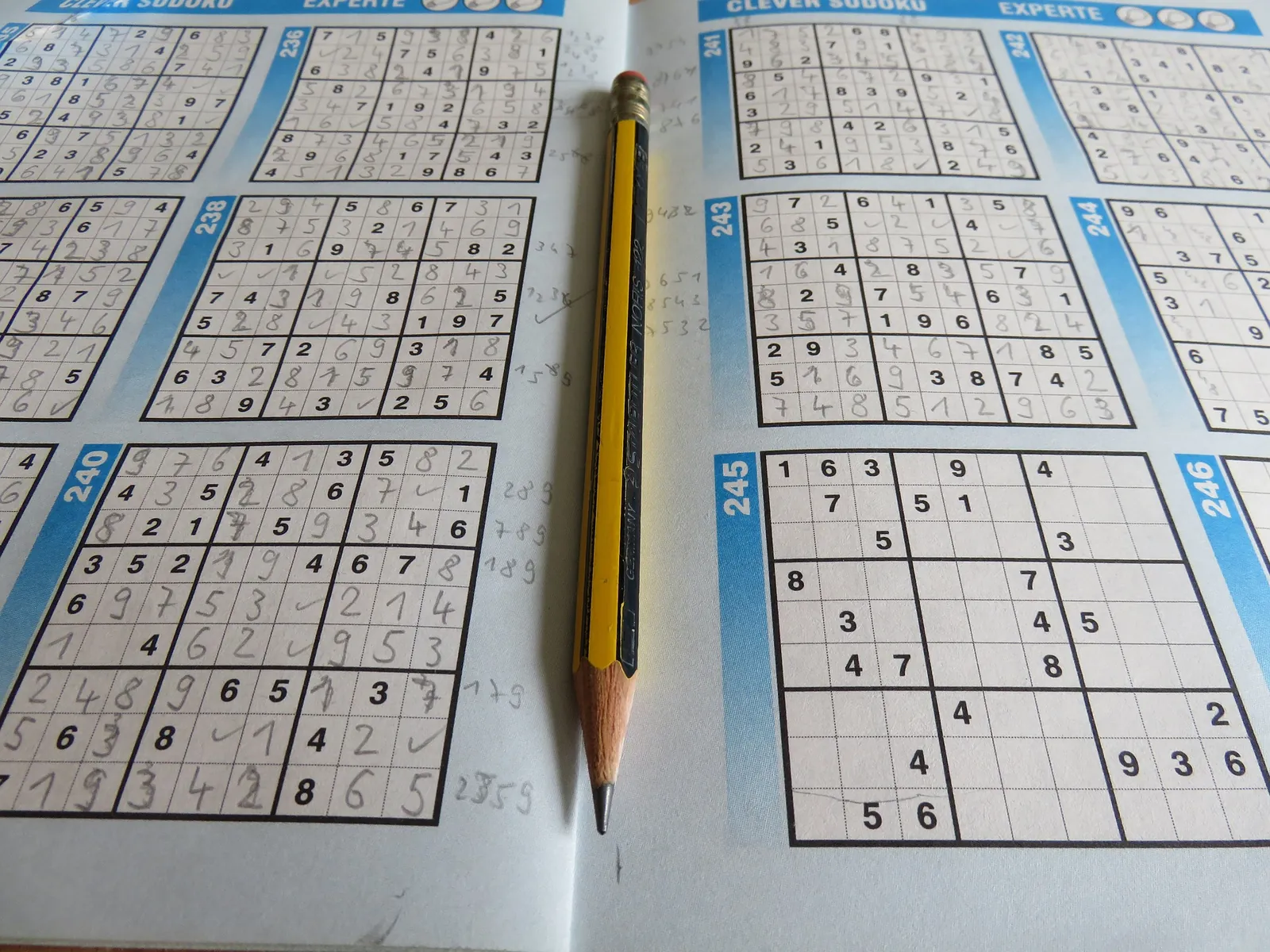
Methods for solving sudoku puzzles and a few tips that help with tricky crosswords too.
Arthur Wynne's original puzzle was a definitional puzzle, where each clue simply defines the answer. For example, "A Muslim woman's veil (7)" is YASHMAK.
In the UK, the popularity of plain definitional puzzles was soon rivalled by the cryptic crossword. Here we find wordplay such as anagrams, abbreviations and homophones, and a cryptic clue usually mixes a literal definition with a cryptic one. In many national newspapers they traditionally get more challenging as the week goes on. Read our guide to cryptic crosswords for beginners.
Word puzzles are far older than the crossword. In the ruins of Pompeii there is a Latin word square scratched on a wall, made up of the words ROTAS, OPERA, TENET, AREPO and SATOR. It is one of the earliest known examples of a Sator Square, a five-word Latin palindrome that reads the same in several directions.
Word puzzles appeared in many publications over the centuries, but the modern crossword was born in the Sunday edition of the New York World on 21 December 1913, courtesy of Arthur Wynne, a journalist born in Liverpool. His "Word-Cross" for the paper's supplement was the forerunner of today's puzzles, with some differences: it was diamond-shaped rather than square, it had no black squares and it used a different numbering system for answers and clues.
A few weeks later the name became "Cross-Word", reportedly after a typesetting slip, and the puzzle quickly became popular. By the 1920s crosswords were a craze in America, so much so that The Times of London ran an article about "An Enslaved America". The Times began printing its own crossword in 1930, and crosswords have continued to grow and evolve ever since.
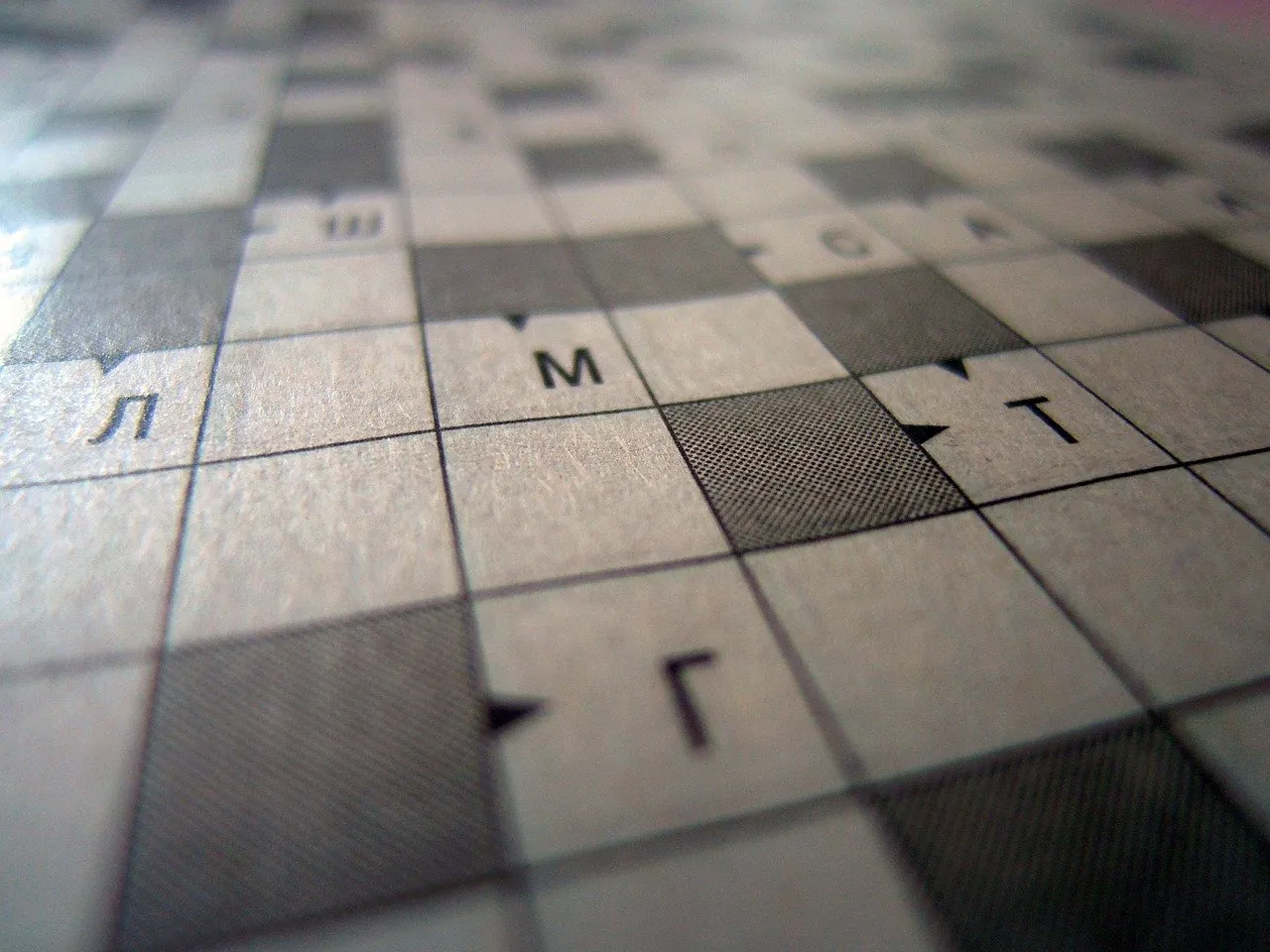
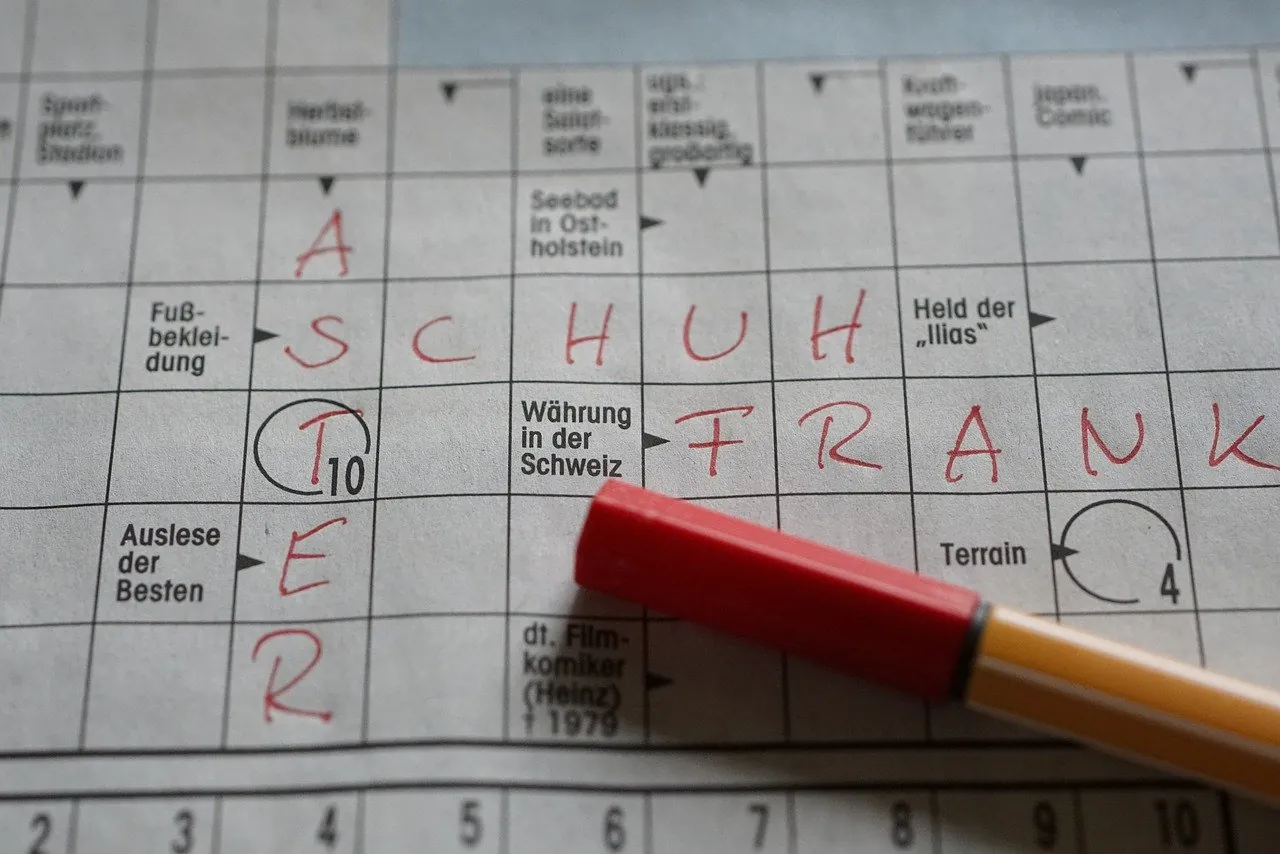
Today there are many kinds of word puzzle, from national crossword variations to logic puzzles and word searches, in papers, books, magazines and apps.
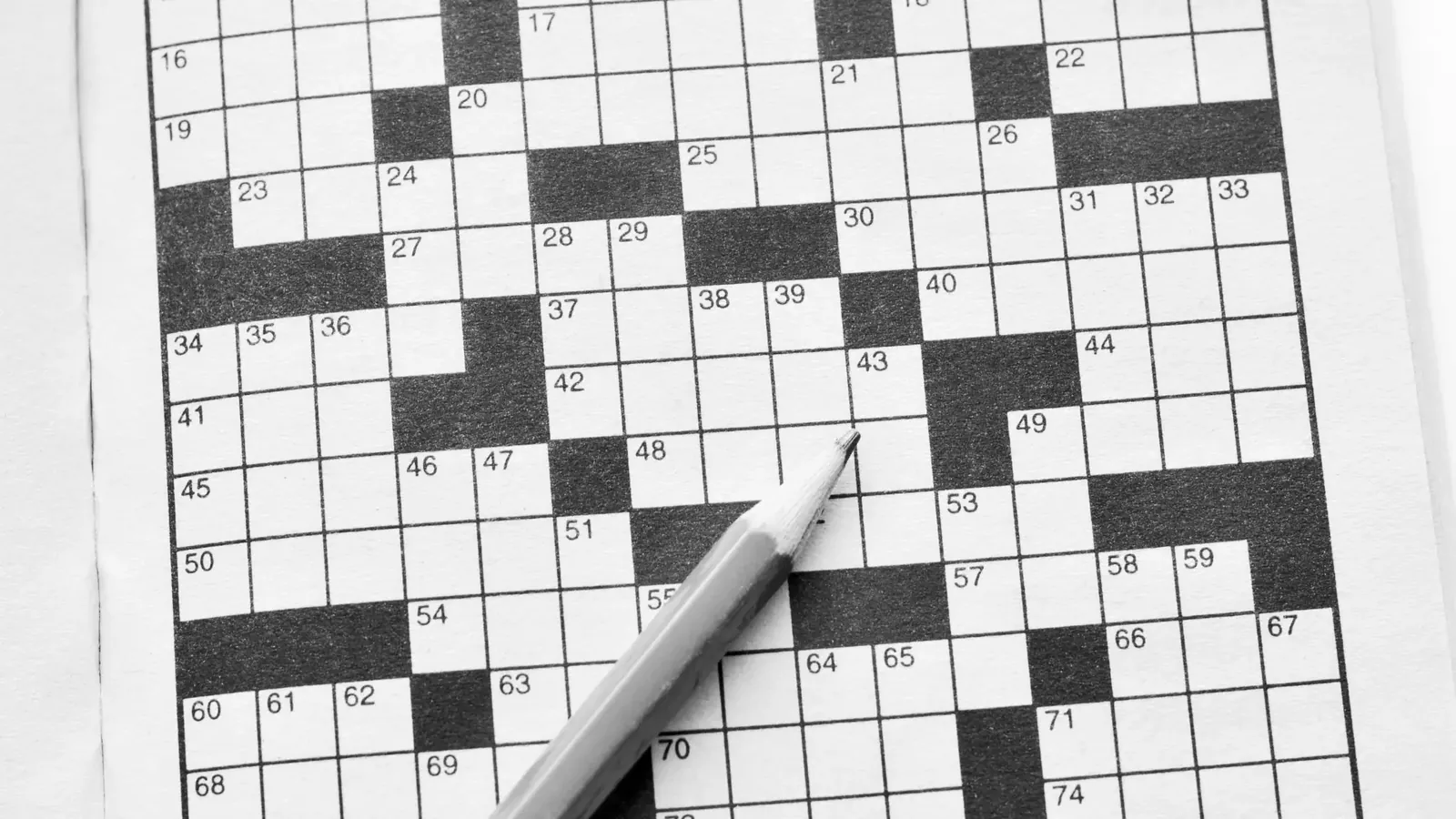
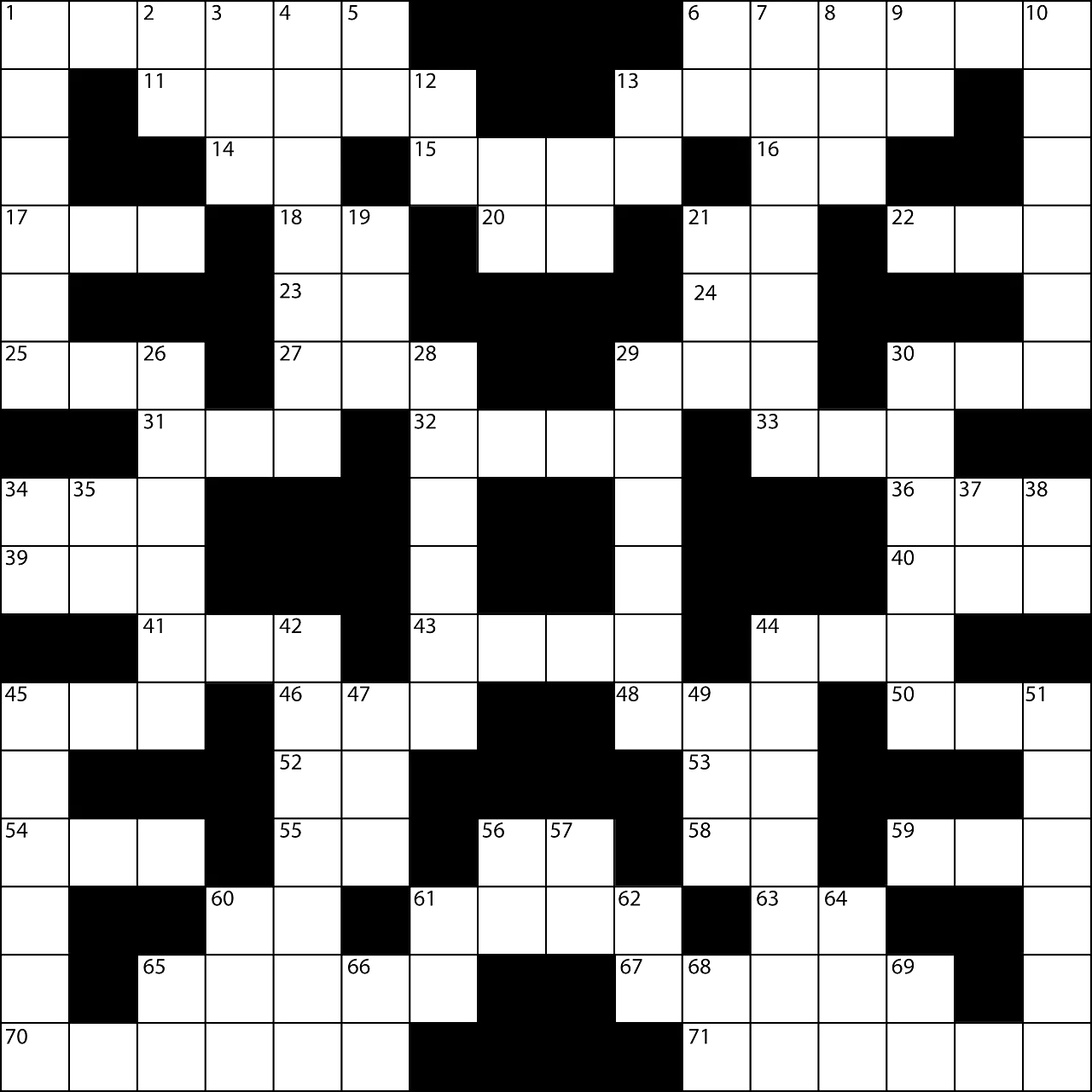
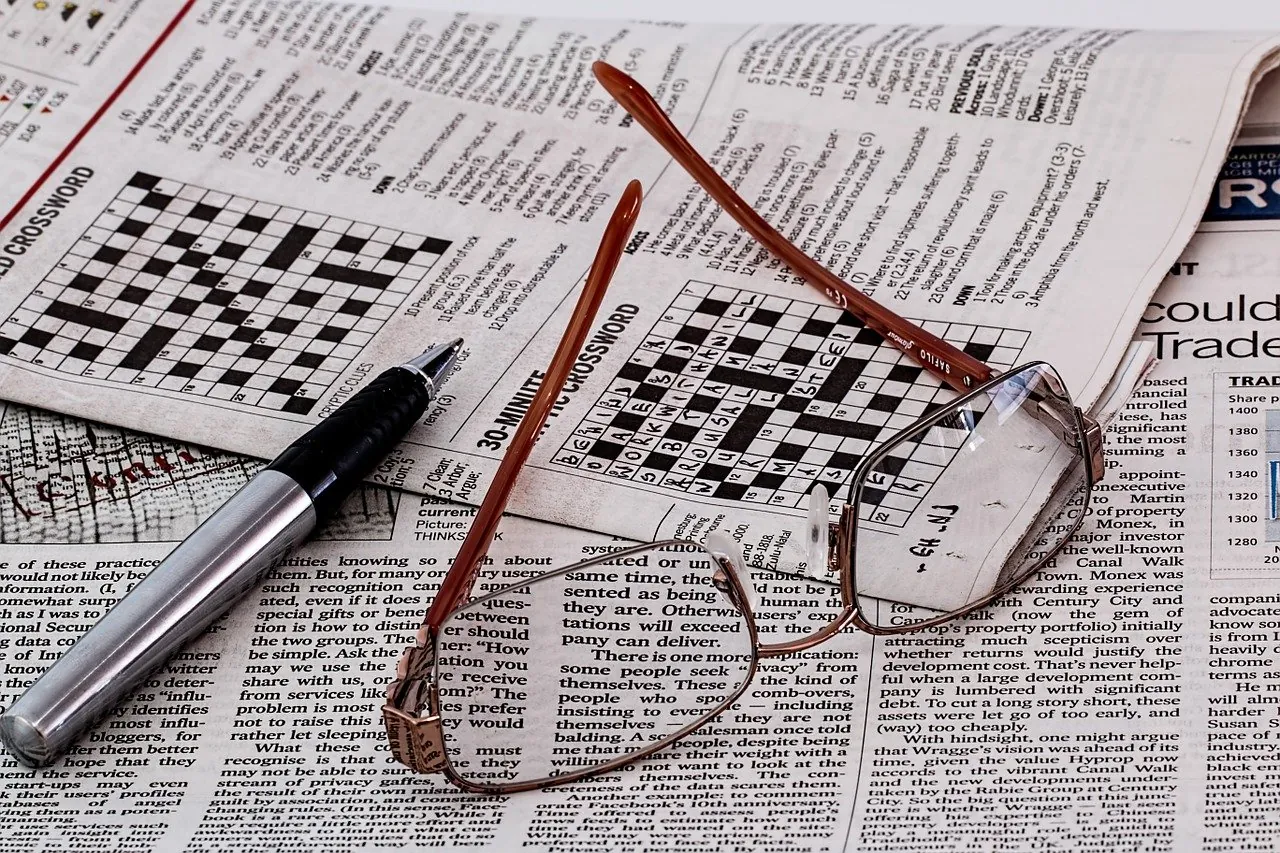
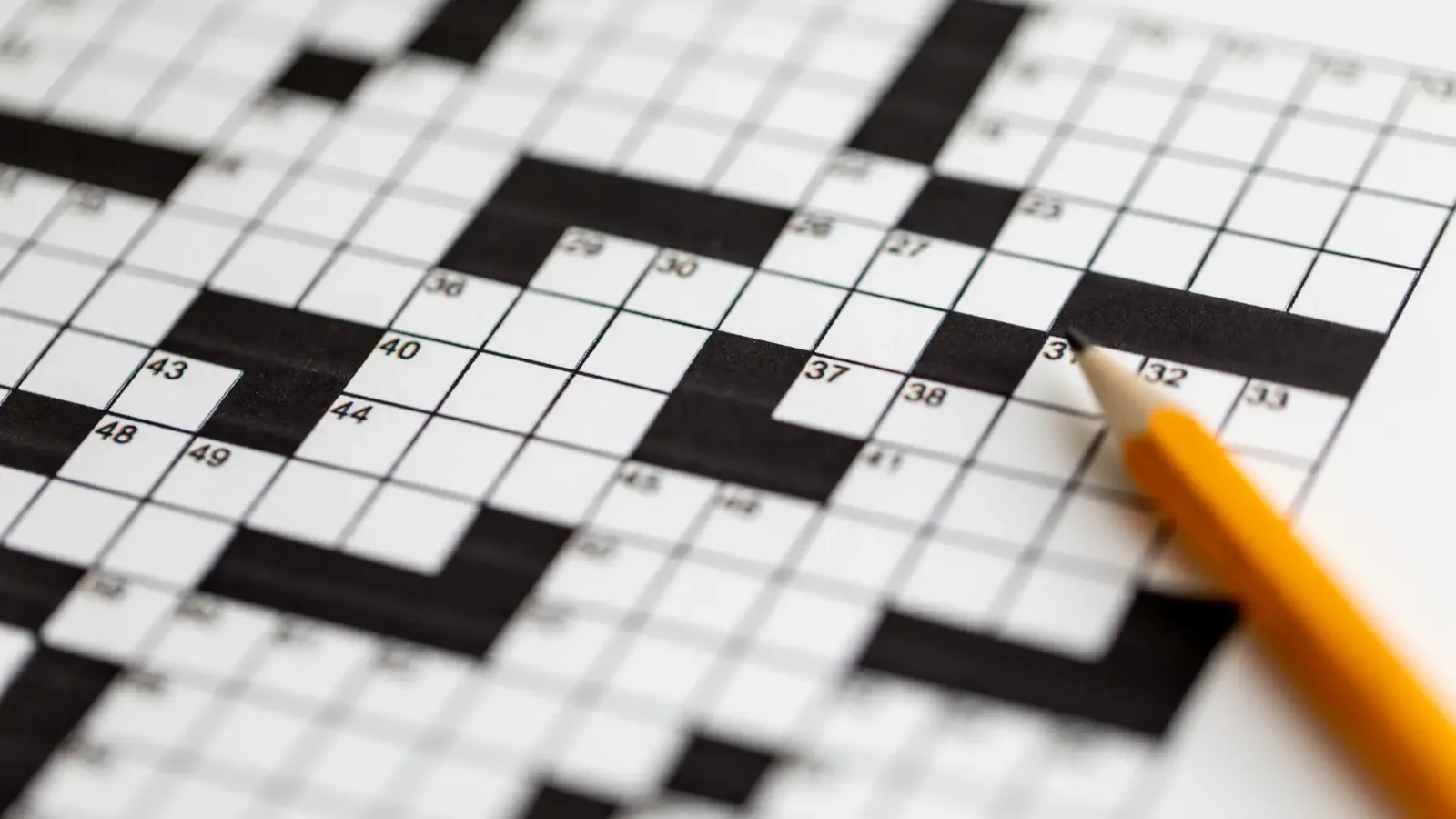
Grids are often 15 x 15 squares, which typically holds around 30 or more answers in British-style grids. Barred grids, where the end of a word is marked by a thick bar instead of a black square, can be as small as 12 x 12 and still pack in more than 30 answers.
Other crossword-style puzzles include codewords, which have no clues: each letter is replaced by a number, and you work out which letter each number stands for. Keep an eye on our blog for more on different crosswords and word puzzles, as well as number puzzles such as sudoku and KenKen.