Crossword puzzles benefits
Why so many people make a daily crossword part of their routine, and what research says about the benefits.
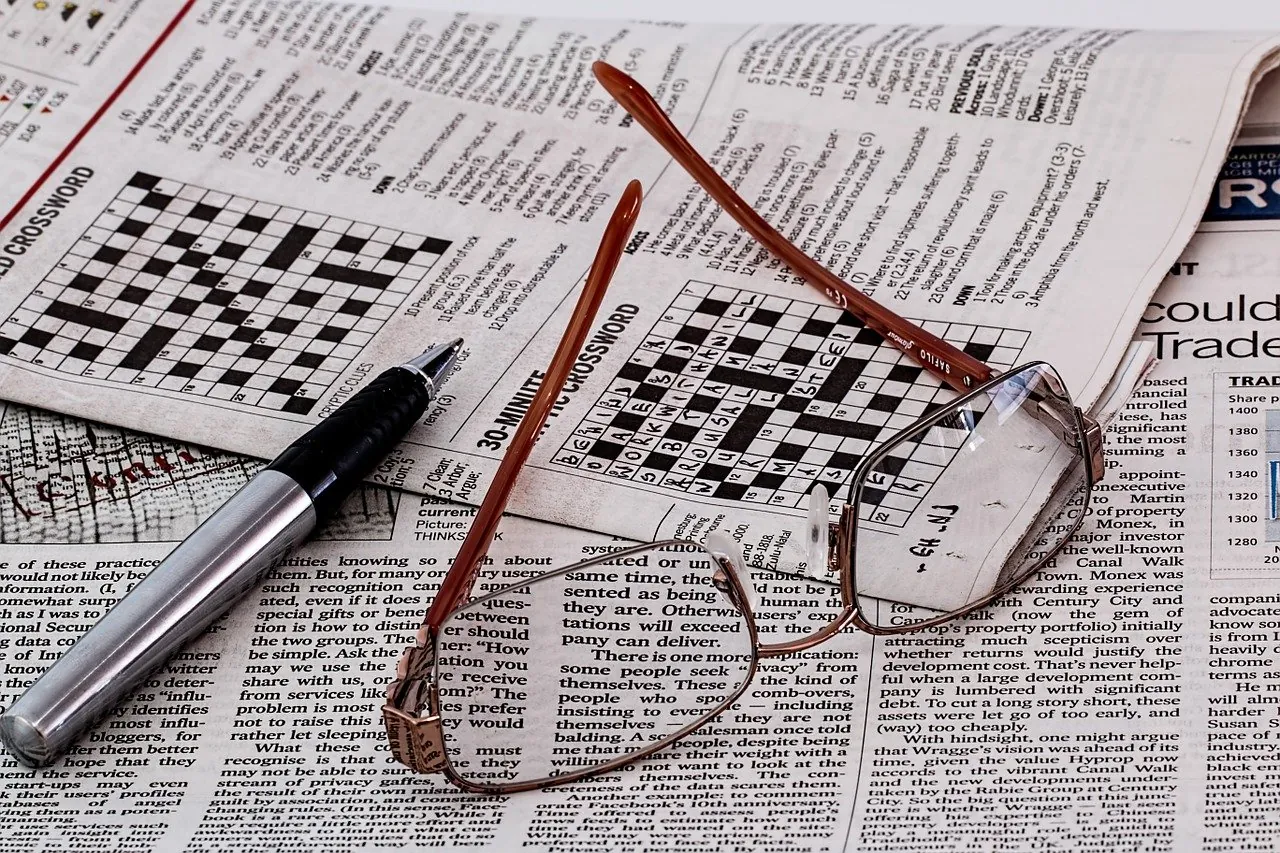
Why play crossword puzzles?
Researchers have looked at crossword puzzle benefits from several angles. Some studies are more convincing than others, but most point to positive effects of playing crossword puzzles that add to quality of life.
So grab a pen, get comfortable and start solving. For most people crosswords are free entertainment: you can find them in newspapers, magazines, on puzzle websites and in dedicated apps, and of course in books full of nothing but crosswords. So how do crossword puzzles benefit us?
Improving vocabulary and knowledge
Crosswords often introduce words you would not normally use; uncommon words are part of what makes clues difficult. A good dictionary or a search engine is a useful companion. There are even help sites for crossword solvers, particularly for cryptic clues.
Look up the words you do not know, and before long you will have a collection of new and interesting words and sayings. Because most crosswords include general knowledge, you will also pick up facts about entertainment, history, politics, science and much more. Our list of common crossword words and clues is a good place to start.
Relieving stress
We could fill this page with the stresses we deal with every day, even on a good day. Your head fills up with what needs doing and what you have not done yet. One of the crossword puzzle benefits is a chance to shut out that noise.
The concentration needed to work through the clues gives you a short break from a busy day. Many people say it makes them feel calmer and happier, and some research on absorbing hobbies supports that.
Boosting your mood
Some crosswords can be frustrating, but the lift you get when you finish one is very satisfying. That sense of achievement is linked to the brain's reward system, including the release of dopamine, a chemical messenger associated with feeling good. Keep solving and enjoy the small wins.

Keeping your brain sharp
Studies differ on how much puzzles help protect against dementia, and no puzzle can prevent it. A 2019 study led by the University of Exeter and King's College London, reported by ScienceDaily, found that people over 50 who did word puzzles such as crosswords more often tended to perform better on tests of attention, reasoning and memory. That shows an association, not proof that puzzles cause the difference. If you are worried about your memory, talk to your doctor.
Read more in our article on how crossword puzzles improve cognitive skills.
Solve together
To get the most out of crosswords, make them social. There is no reason not to ask for help or share a puzzle with someone else. Solving together keeps you talking, reduces isolation and is a lot of fun. Try it and see for yourself. If numbers appeal more than words, our page on sudoku explains the basics.